
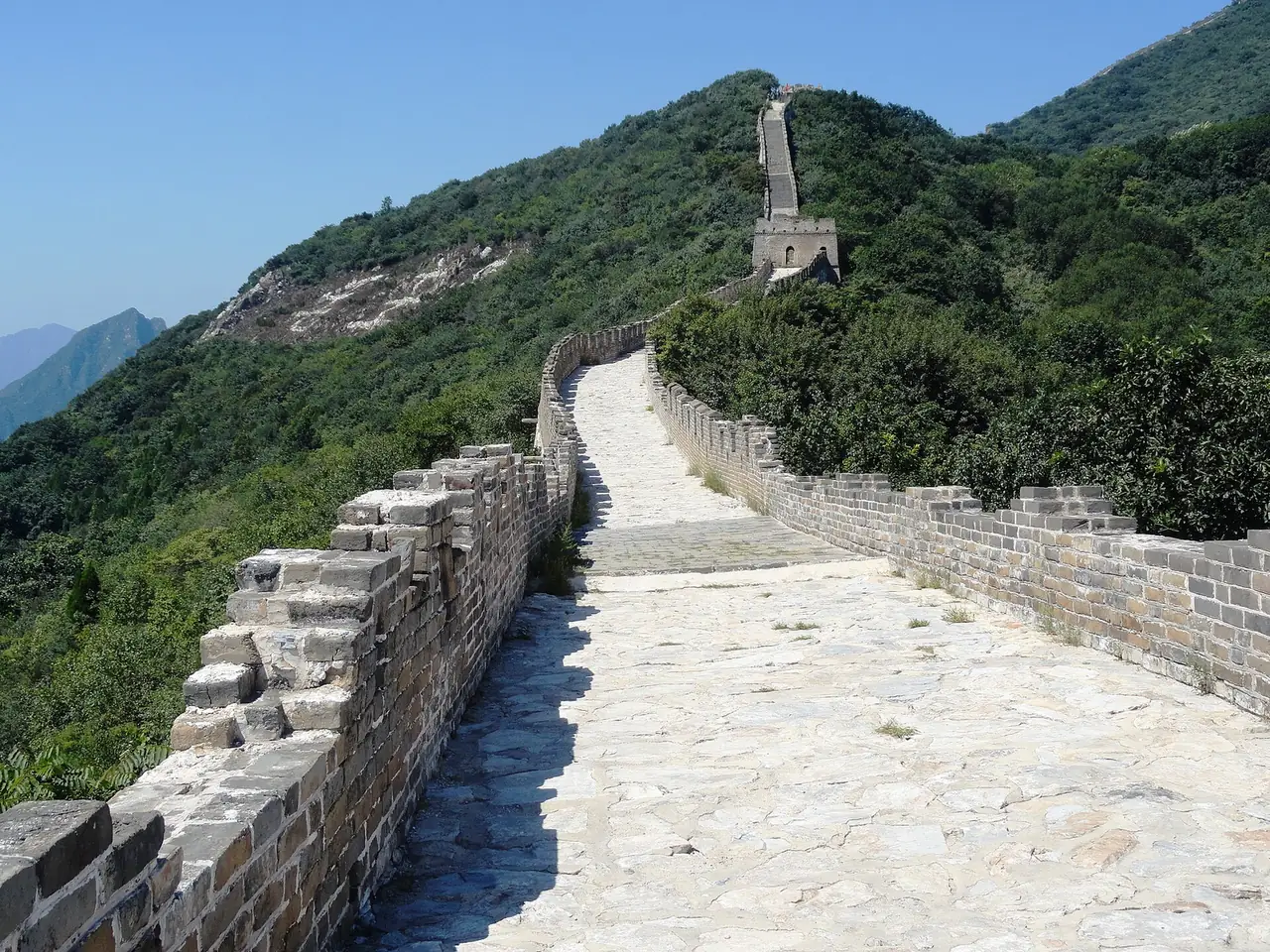
Beijing rewards a journey that moves between monumental spaces and the texture of everyday life. The Forbidden City, the Temple of Heaven and a carefully chosen section of the Great Wall form a strong introduction to the capital’s imperial heritage. Beyond the major sights, leave room for a hutong walk, a neighbourhood meal and a pause in a city park. Rather than rushing through a long checklist, use one principal visit as the anchor for each day. A Great Wall outing deserves its own travel time and a walking route suited to your group. Families can balance museum time with open spaces, while architecture and photography enthusiasts may prefer slower visits with fewer stops. Three or four days offer a useful starting point for planning; additional days allow a more relaxed pace or a deeper cultural focus. Attraction reservations, closures and transport arrangements should be checked against your dates before an itinerary is confirmed.
Plan a comfortable pace
3–4 days as a planning starting point is a suggested starting point, not a fixed requirement. Leave room for weather, queues and breaks.
Practical notes
- Group nearby central sights on the same day and allow a separate day for the Great Wall.
- Share mobility needs before selecting long walking routes.
- Carry the identity document required by your confirmed attraction bookings.
Places to explore
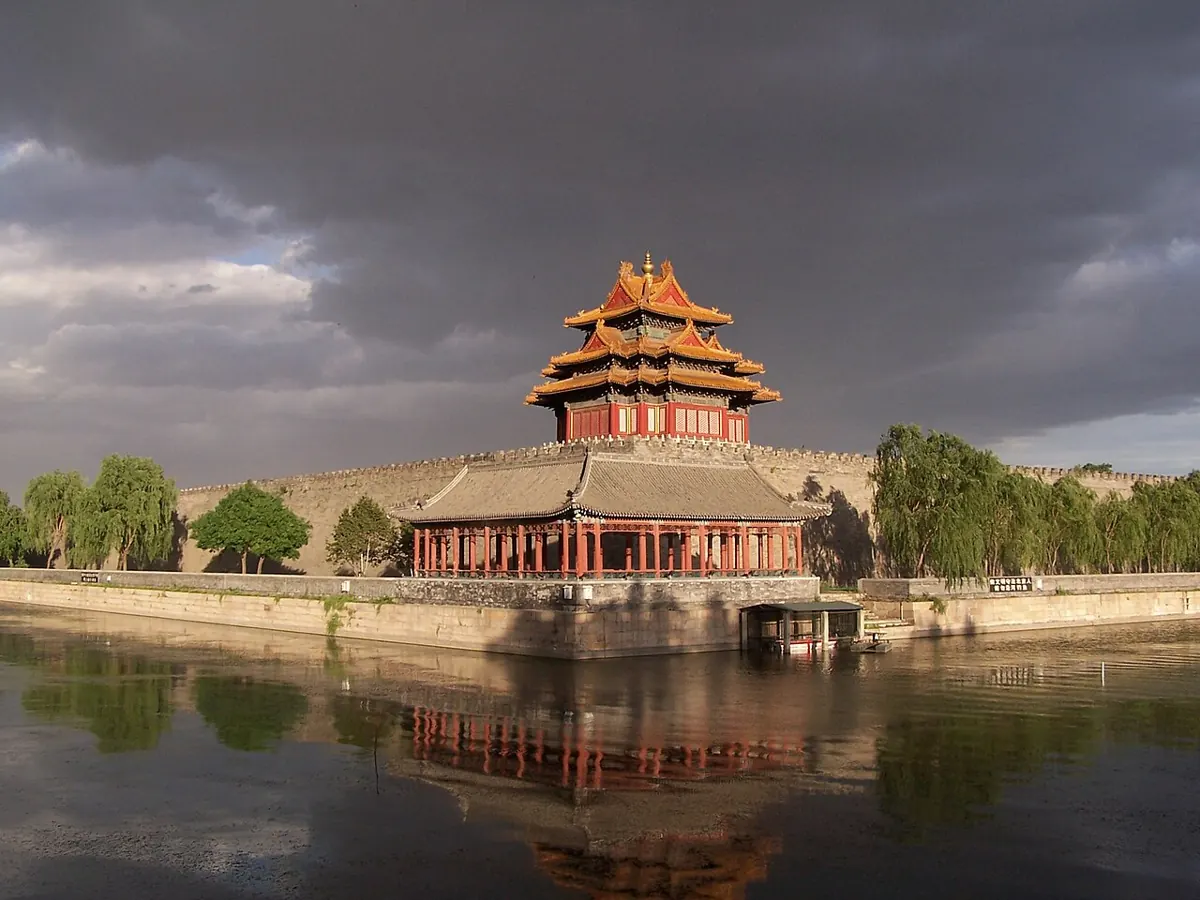
The Forbidden City
At the heart of historic Beijing, the Forbidden City reveals Ming and Qing court culture through red walls, golden roofs and a sequence of courtyards. Monumental halls and broad outer-court spaces express imperial ceremony, while the inner palace brings attention to windows, painted beams and intimate architectural details. Exhibitions add objects, craftsmanship and artistic taste to the story. Photographers can explore wall lines, shadows and roof forms; families can follow simple stories about gates and palace life. A focused theme often creates a richer visit than covering every courtyard. Make it the day’s main cultural stop and confirm reservations and open galleries for your dates.
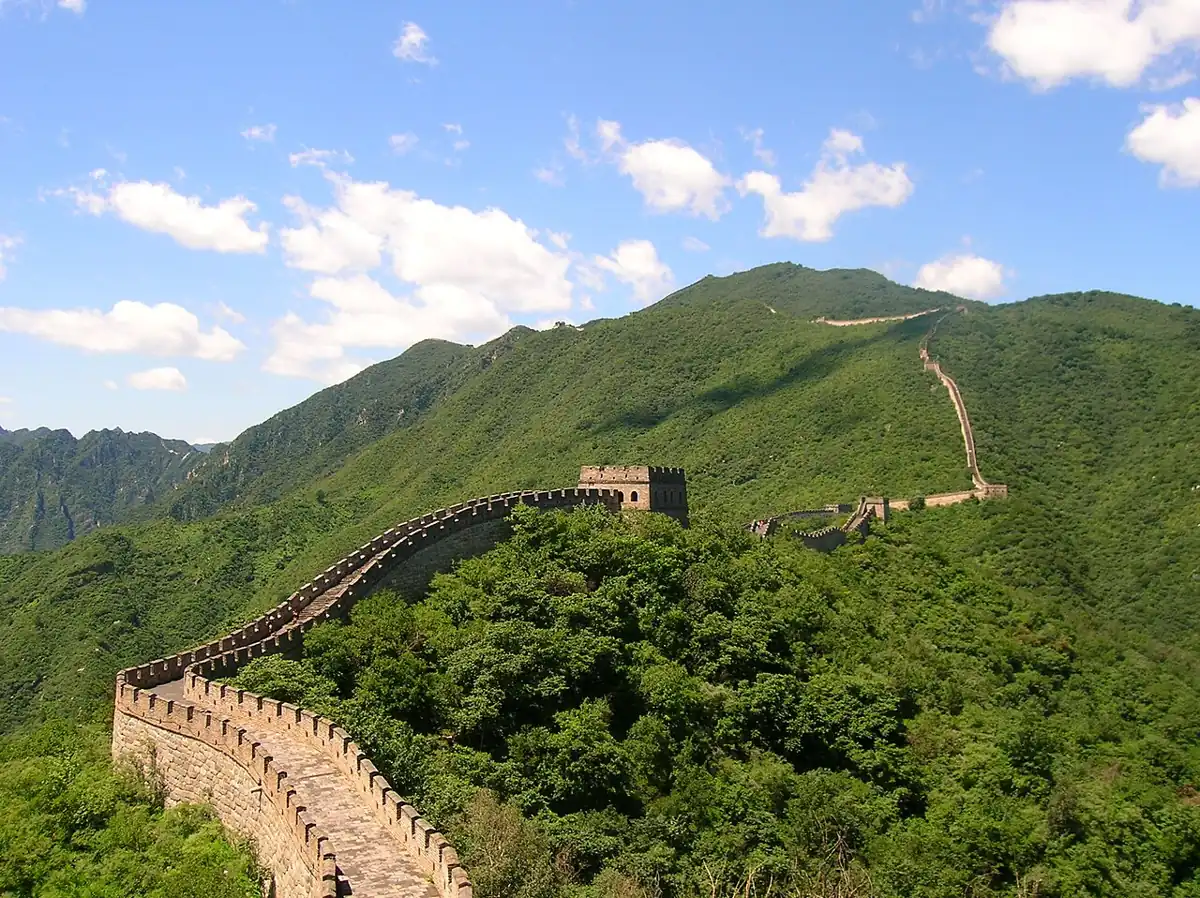
The Great Wall
The Great Wall follows ridgelines around Beijing, bringing walls, watchtowers and distant mountains into one powerful landscape. Up close, brickwork, battlements and uneven steps reveal the craft behind the larger form. Each turn changes the relationship between defensive architecture and terrain, from long sweeping lines to views framed by towers. Beyond its photographic appeal, the Wall opens a conversation about historical defence, movement and exchange. Seasonal colour gives the mountains different moods. Choose a short, satisfying walk with pauses rather than making distance the objective. Allow a separate day and match the officially open section, route and scenic transport to the group’s ability.
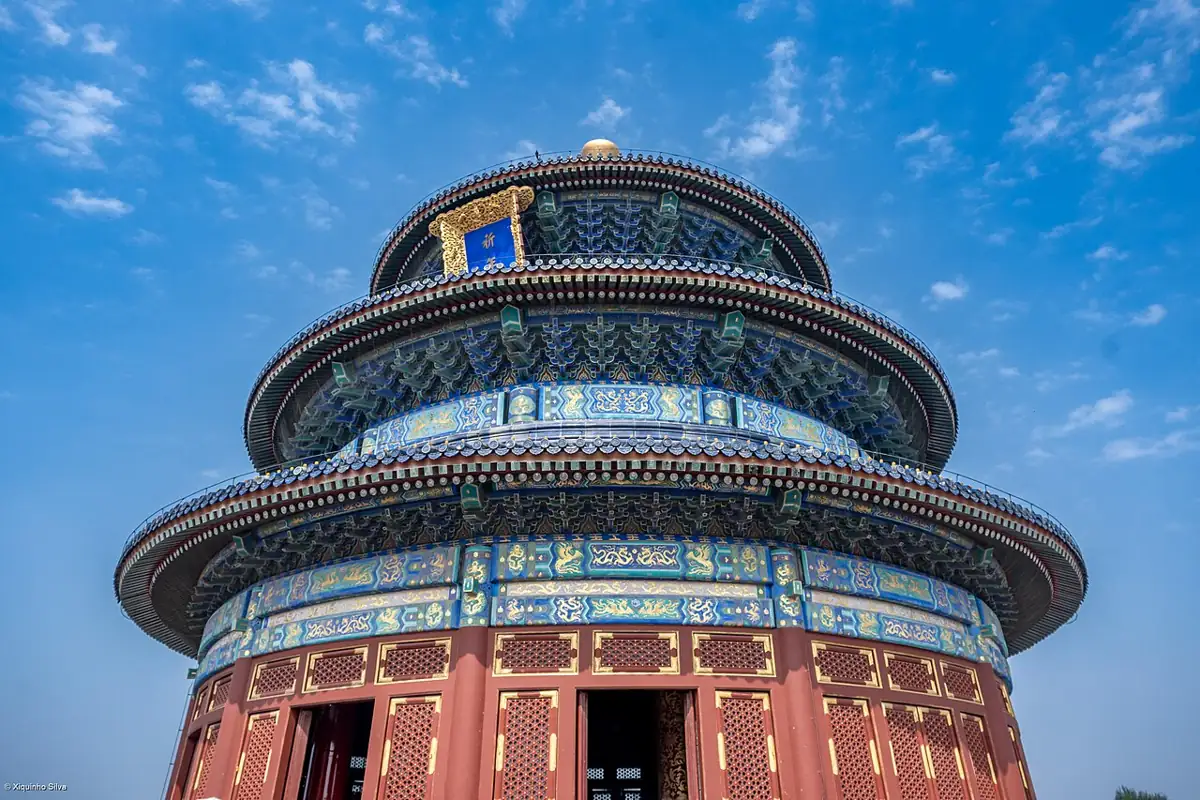
The Temple of Heaven
The Temple of Heaven creates a memorable composition of blue tiles, white terraces, red walls and old trees. The layered circular roof of the Hall of Prayer for Good Harvests contrasts with the open Circular Mound Altar and the Imperial Vault of Heaven. Walking between them reveals axes and geometric forms expressing traditional ideas about heaven and earth. Historic pines and broad park paths add a gentler everyday setting around the ceremonial buildings. Photographers can study roof curves and painted details; families can connect shapes and spaces with simple historical stories. Check park and principal-building access separately and allow time to walk and rest.
The Summer Palace
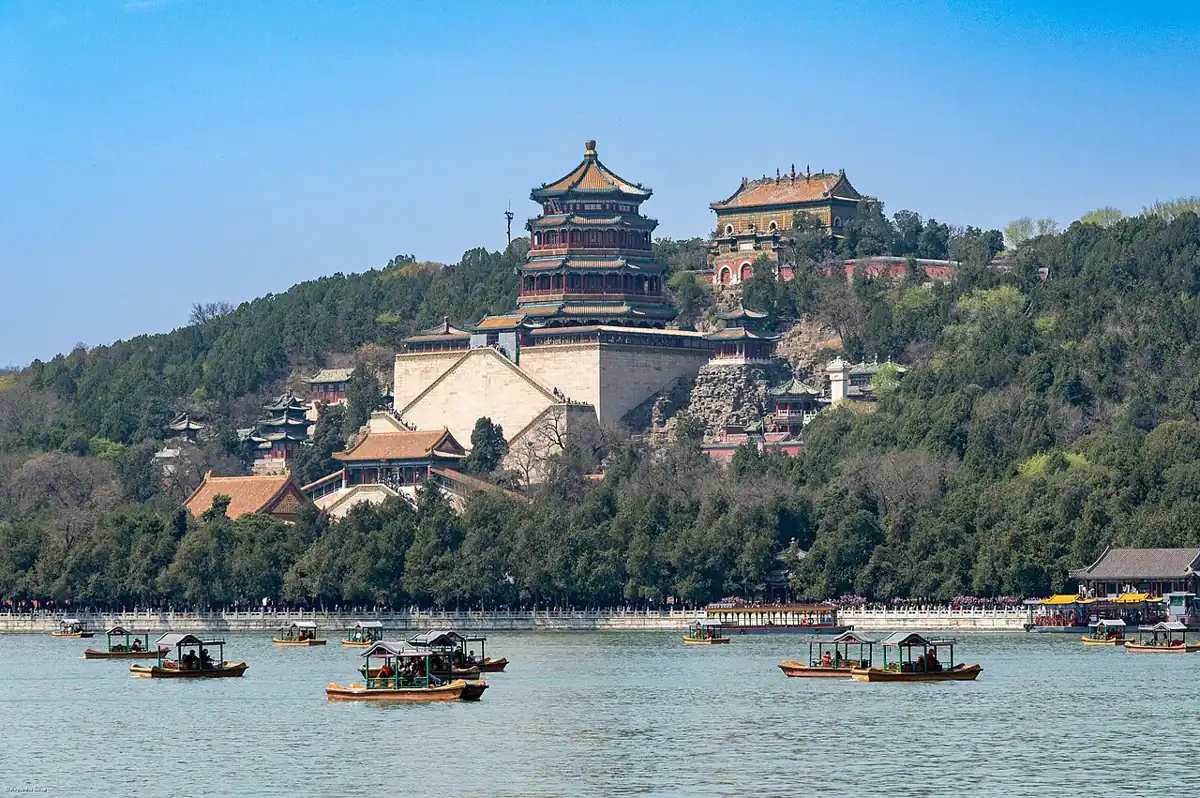
The Summer Palace is shaped around Longevity Hill and Kunming Lake, combining halls, corridors, bridges and lakeside paths. Reflections and willow-lined shores change with each turn, while painted corridor details invite closer study. The Seventeen-Arch Bridge connects water and island scenery, and the Tower of Buddhist Incense provides a hillside focal point. Grand views coexist with intimate courtyards and framed garden scenes. Architecture lovers can follow the relationships between gates, stairs and covered walks; nature-focused visitors can linger over light and water. Families can alternate short walks with seated breaks. Choose a lakeside-focused or climbing route before deciding the most suitable gates.
Shichahai and the Hutongs
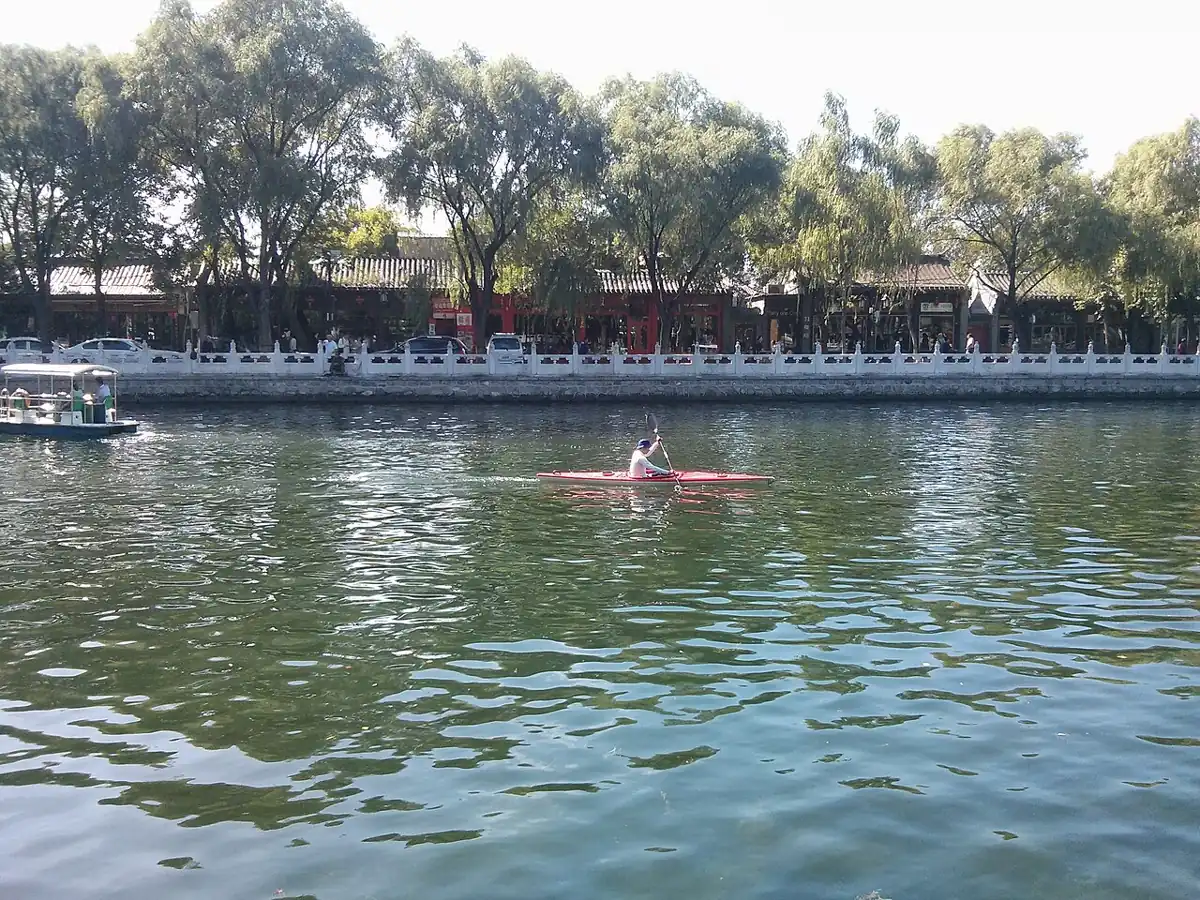
Shichahai’s Qianhai, Houhai and Xihai waters are surrounded by willow-lined banks and hutongs, revealing an intimate side of old Beijing. Moving from open water into narrow lanes brings a striking change of scale: reflections give way to gateways, courtyard walls, bicycles and small shops. Waterfront views combine bridges, trees and rooflines, while the lanes bring everyday neighbourhood details closer. A tea break and an easy local meal can form a relaxed half-day without tracing every street. Daylight favours architecture and daily life; evening adds reflections and street lights. Choose one lakeside-and-hutong section, and ask permission before photographing people or private entrances.
Jingshan Park
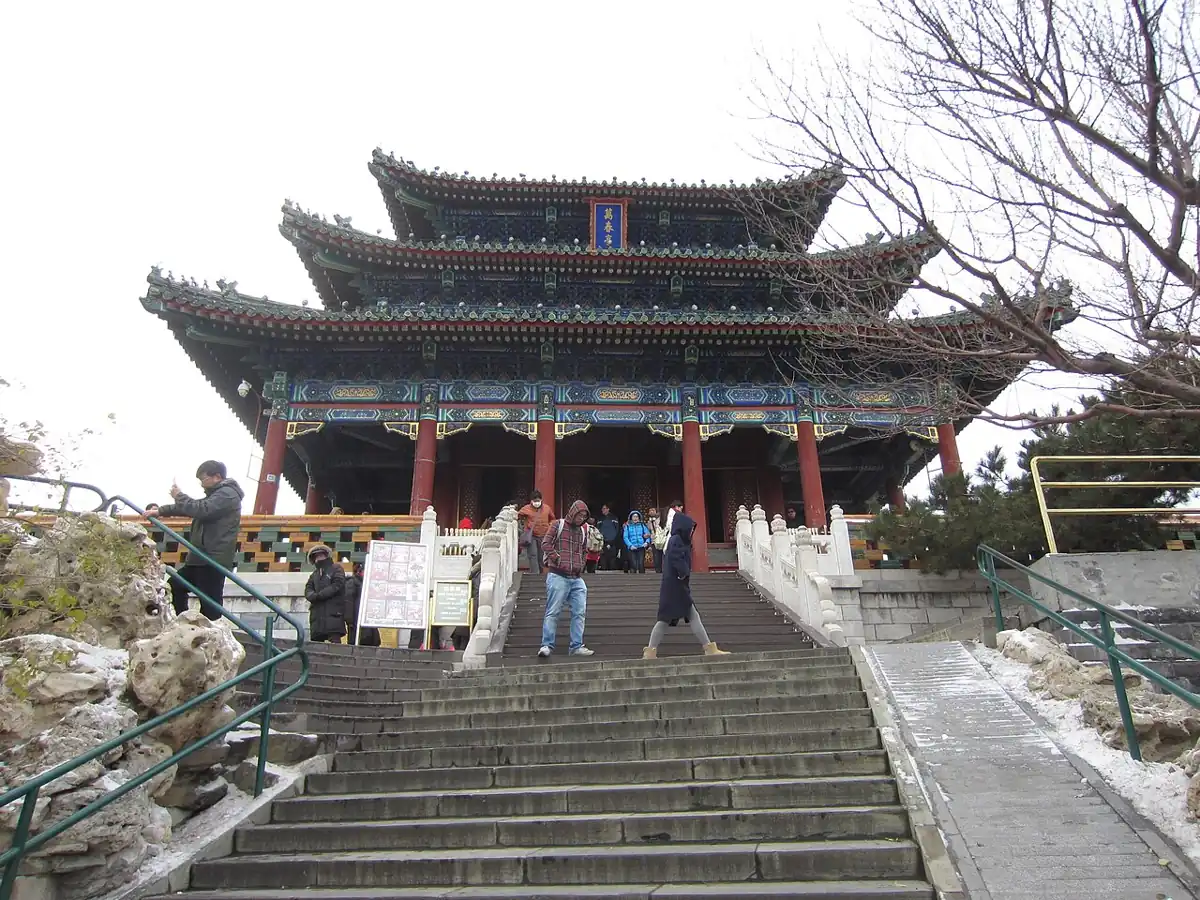
Jingshan Park north of the Forbidden City provides a classic elevated reading of historic Beijing. Five hilltop pavilions follow the ridge, with Wanchun Pavilion opening views over palace roofs and the north–south axis. Courtyard symmetry, wall lines and surrounding streets become easier to understand from above. Below, old trees, garden paths and pavilions create a quieter place to slow down. Photographers can enjoy both panoramas and layers of roofs; families can turn a city map into a visible story. Link the park with the palace or enjoy it as a shorter garden visit. Choose a climb or gentler paths according to stamina.
Questions before you go
How many days should I allow?
Can the Great Wall visit be adapted for a family?
Are the major attractions guaranteed?
For current opening times, ticketing and entry requirements, consult official sources. Official source 1 · Official source 2 · Official source 3 · Official source 4 · Official source 5 · Official source 6 · Official source 7 · Official source 8 · Official source 9
Explore this destination