

Chengdu’s appeal is a thoughtful balance of panda viewing, cultural discovery and unhurried city life. A visit to the Chengdu Research Base of Giant Panda Breeding can introduce conservation and education, while a later walk through a park or a traditional-style street lets the day settle into a gentler rhythm. Wuhou Shrine offers a historical focus, and time around a tea table can be just as valuable as another attraction. Plan two or three days for a city introduction, choosing a few meaningful stops and keeping meals and rest breaks part of the experience. Food enthusiasts can explore Sichuan flavours according to their own preferences, including less spicy options that need discussion with individual venues. Panda visits are subject to the base’s booking rules and animal activity; no particular animal sighting or behaviour can be promised. A Chengdu–Chongqing combination is an option for a longer journey, while any excursion beyond the city should be planned with realistic travel time and suitable access.
Plan a comfortable pace
2–3 days for a city introduction is a suggested starting point, not a fixed requirement. Leave room for weather, queues and breaks.
Practical notes
- Book panda admission through the official channel appropriate to your documents.
- Do not feed animals or disturb them for photographs.
- Keep space for tea, meals and rest instead of adding too many daily stops.
Places to explore
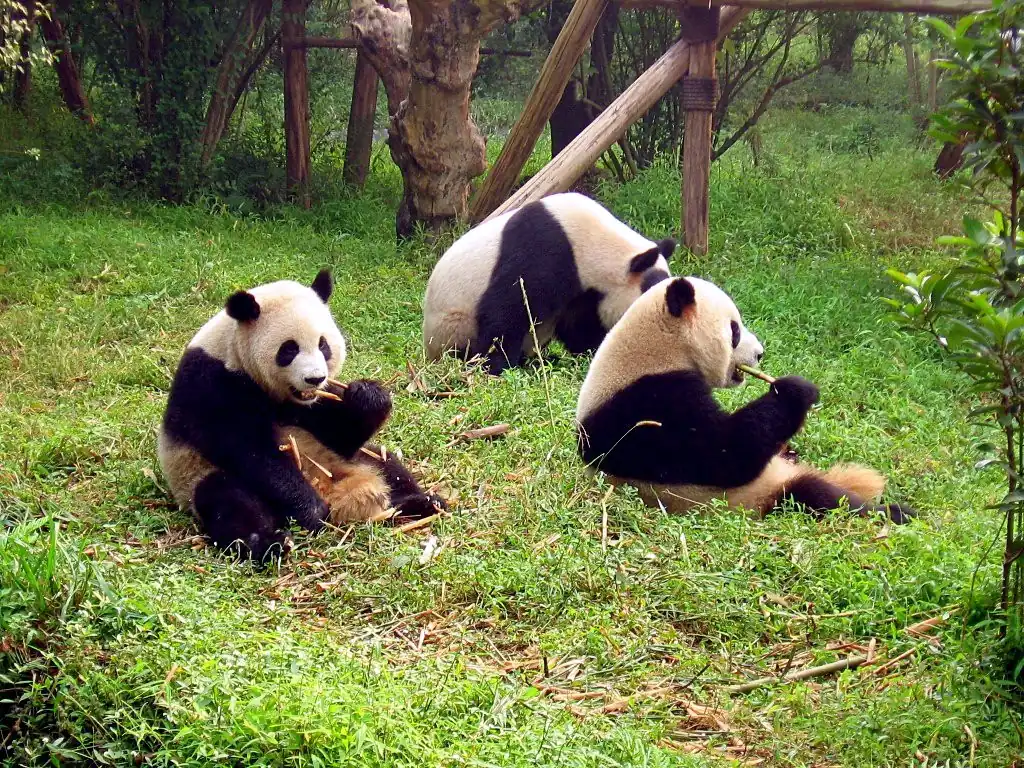
Chengdu Research Base of Giant Panda Breeding
The Chengdu Panda Base combines giant panda conservation, research and public education in a bamboo-filled setting. Visitor routes bring habitats, planting and educational material into a journey of observation and discovery. Watching pandas eat, rest or move invites attention to body shape, behaviour and the relationship between animals and their environment. The experience goes beyond a quick photograph to the care and research supporting conservation. Nature lovers and photographers can leave time for quiet observation, while families alternate learning, walking and breaks. It adds a natural dimension to a city visit. Make the base a principal stop and match the route to reservations and stamina.
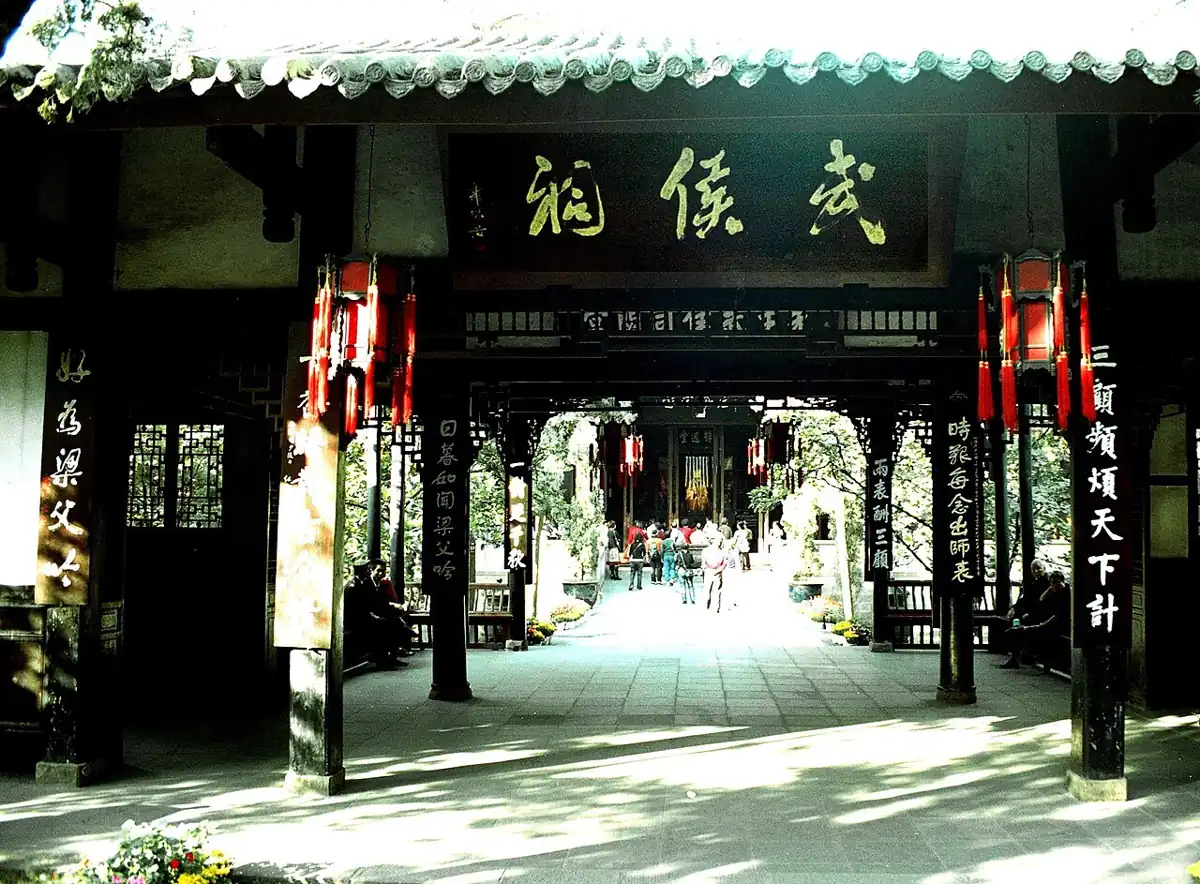
Wuhou Shrine
Wuhou Shrine introduces Shu Han and Three Kingdoms history through courtyards, halls, inscriptions and gardens. Stories associated with Zhuge Liang, Liu Bei and their era give visitors a clear thread through architecture and displays. Formal buildings and tree shadows create a reflective setting, while red walls and bamboo form a recognisable Chengdu scene. A focused historical explanation can sit alongside closer studies of inscriptions, windows and garden details. Families can connect a few stories with physical spaces; enthusiasts can explore the relationship between people, time and local memory. Choose a theme and allow time afterwards for nearby food or Jinli’s contrasting street atmosphere.
People’s Park and Tea Culture
People’s Park brings Chengdu’s public gardens and teahouse culture into an approachable city experience. Shaded paths and lakeside space soften the pace of surrounding streets; tea tables, covered bowls and conversation create an everyday local atmosphere. Take a short walk, then sit with tea and observe light through the trees and the shared use of public space. Tea ware, seating and service offer a small window into the city’s leisure rhythm. It suits street photography, people-watching and family rest between cultural stops, or a gentle arrival-day introduction. Clarify the tea and service chosen, then linger at your own pace while respecting other park users.
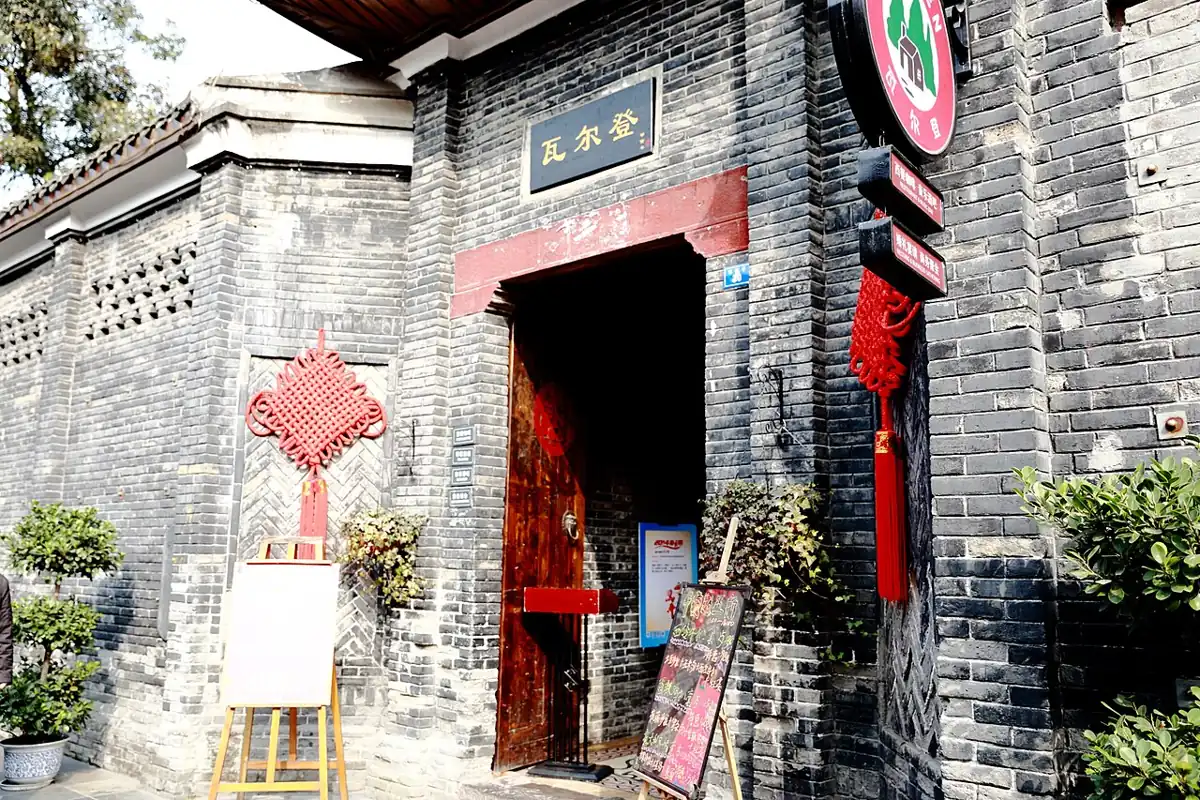
Kuanzhai Alley
Kuanzhai Alley connects Wide, Narrow and Well alleys with traditional courtyard forms and contemporary Chengdu life. Grey walls, tiled eaves and gateways retain a Western Sichuan architectural language, while teahouses, restaurants, shops and cultural spaces give the lanes a present-day rhythm. A doorway changes with the light; each turn offers another composition of roofs and people. Architecture enthusiasts can study the link between street and courtyard, photographers can frame everyday details, and families can add selected snacks or tea. Its appeal is the meeting of traditional form and modern use. Choose a relaxed section and weave in food and rest.
Du Fu Thatched Cottage Museum
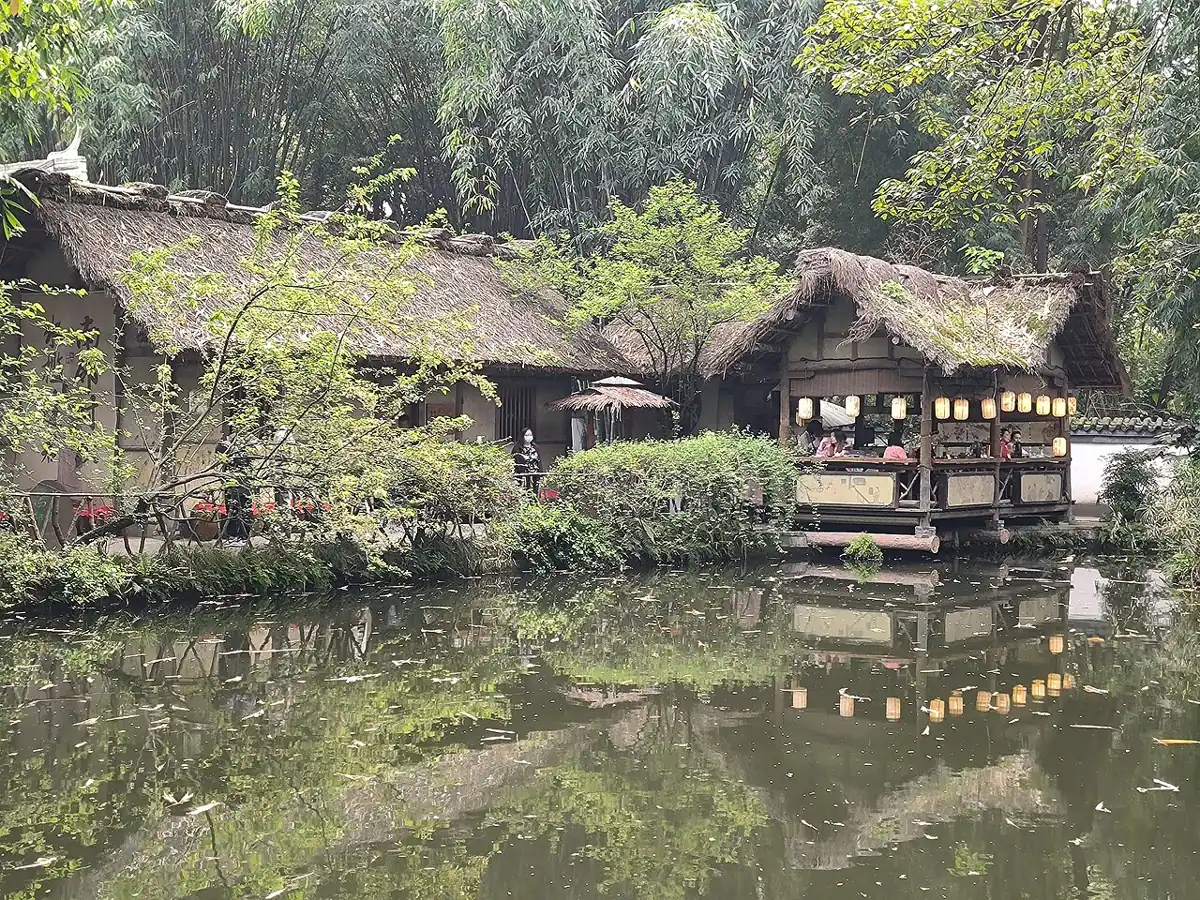
Du Fu Thatched Cottage Museum combines literary memory, gardens and commemorative spaces around the poet’s time in Chengdu. Bamboo, water, courtyards and halls connect poetic themes with a tangible environment. Visitors need not know classical literature: moving home, family, daily life and responses to difficult times provide accessible starting points. Displays and memorial architecture introduce the poet and his era, while the cottage image gives imagination a physical form. Photographers can explore shadows and framed paths; quieter cultural interests can pause to read and observe. Its reflective mood contrasts with Chengdu’s lively food streets. Allow time for both gardens and selected displays.
Jinli Street
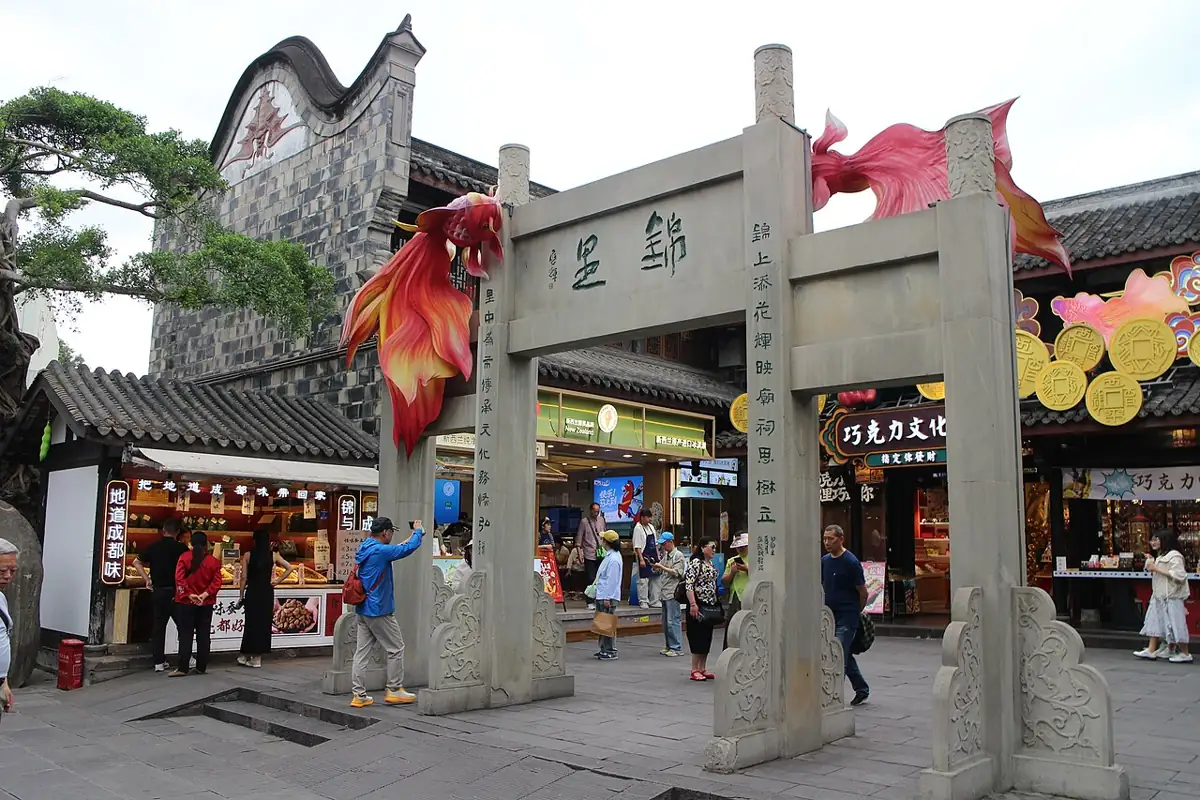
Jinli beside Wuhou Shrine creates an accessible leisure setting with Western Sichuan-style roofs, courtyards, stone bridges and lanes. Food, craft and shops add everyday energy beyond the architecture. Daylight reveals façades and waterside details; lanterns and evening light give the same streets a different mood. A sound, a craft process or a small taste of local food can become an entry into regional culture. The area provides a gentle change of pace after Wuhou Shrine’s historical focus. Families can choose a few meaningful stops, while photographers study roofs, reflections and movement. Enjoy a shorter walk and confirm any particular performance or activity separately.
Questions before you go
Will I see a particular panda?
Can the trip be less focused on spicy food?
Is a Chengdu–Chongqing combination practical?
For current opening times, ticketing and entry requirements, consult official sources. Official source 1 · Official source 2 · Official source 3 · Official source 4 · Official source 5 · Official source 6 · Official source 7 · Official source 8 · Official source 9
Explore this destination